Vibration-Isolation Components
Engineered vibration isolation components designed to absorb kinetic energy, decouple harmonic oscillation, and mitigate mechanical fatigue across heavy industrial equipment, compressors, CNC machine bases, and vehicular chassis.
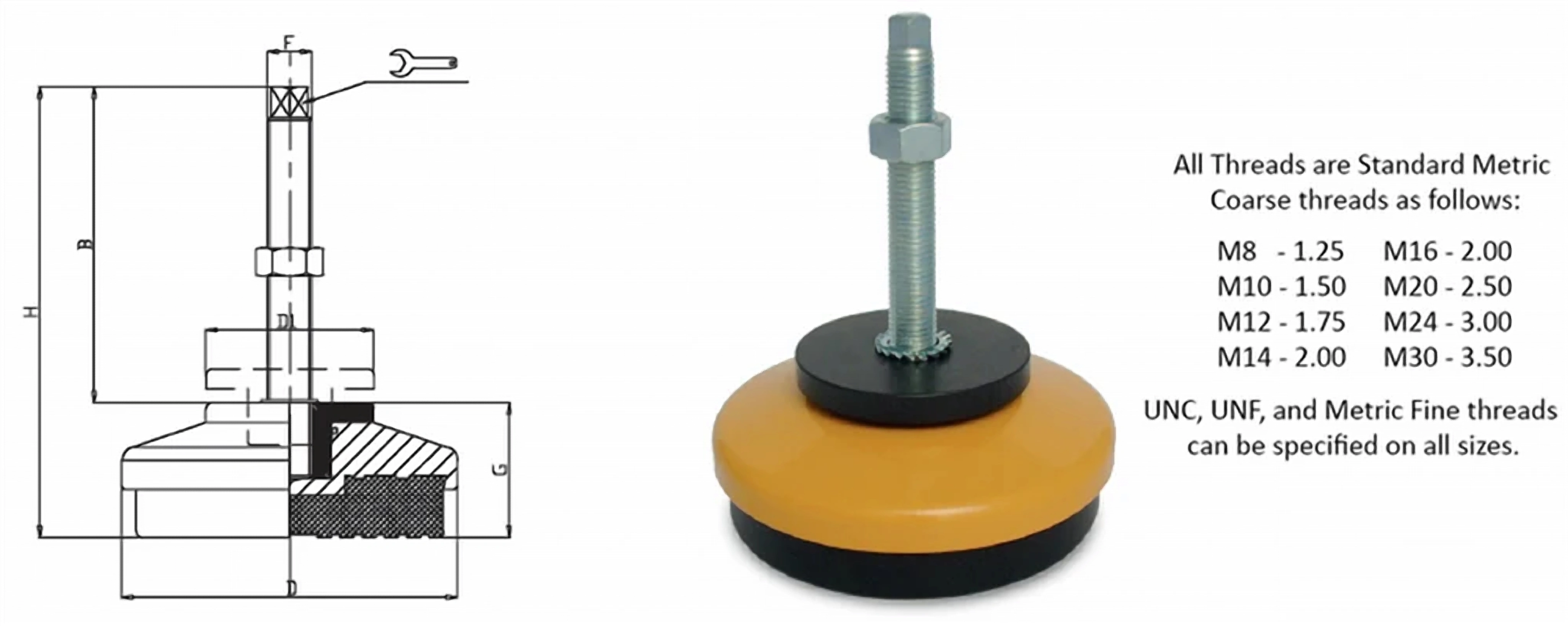
Types & Configurations of Vibration-Isolation Components
Cylindrical Bobbin Isolators
Male/female metric threaded studs vulcanized to cylindrical elastomer bobbins for pumps, compressors, and gensets.
Low-Frequency Captive Mounts
High-deflection elastomeric isolators with integrated mechanical interlock preventing separation during dynamic shock.
Sandwich Shear Isolators
Multi-layer elastomeric plates designed for high deflection under pure shear loading in heavy industrial conveyors.
Machine Foundation Damping Pads
High-density nitrile/neoprene composite pads for stamping presses, injection molding machines, and turbines.
Heavy-Duty Bogie & Subframe Isolators
Engineered rubber-metal bushings for transit bogies, rail rolling stock, and off-highway steering axles.
Key Industrial Applications
Specifications & Technical Details
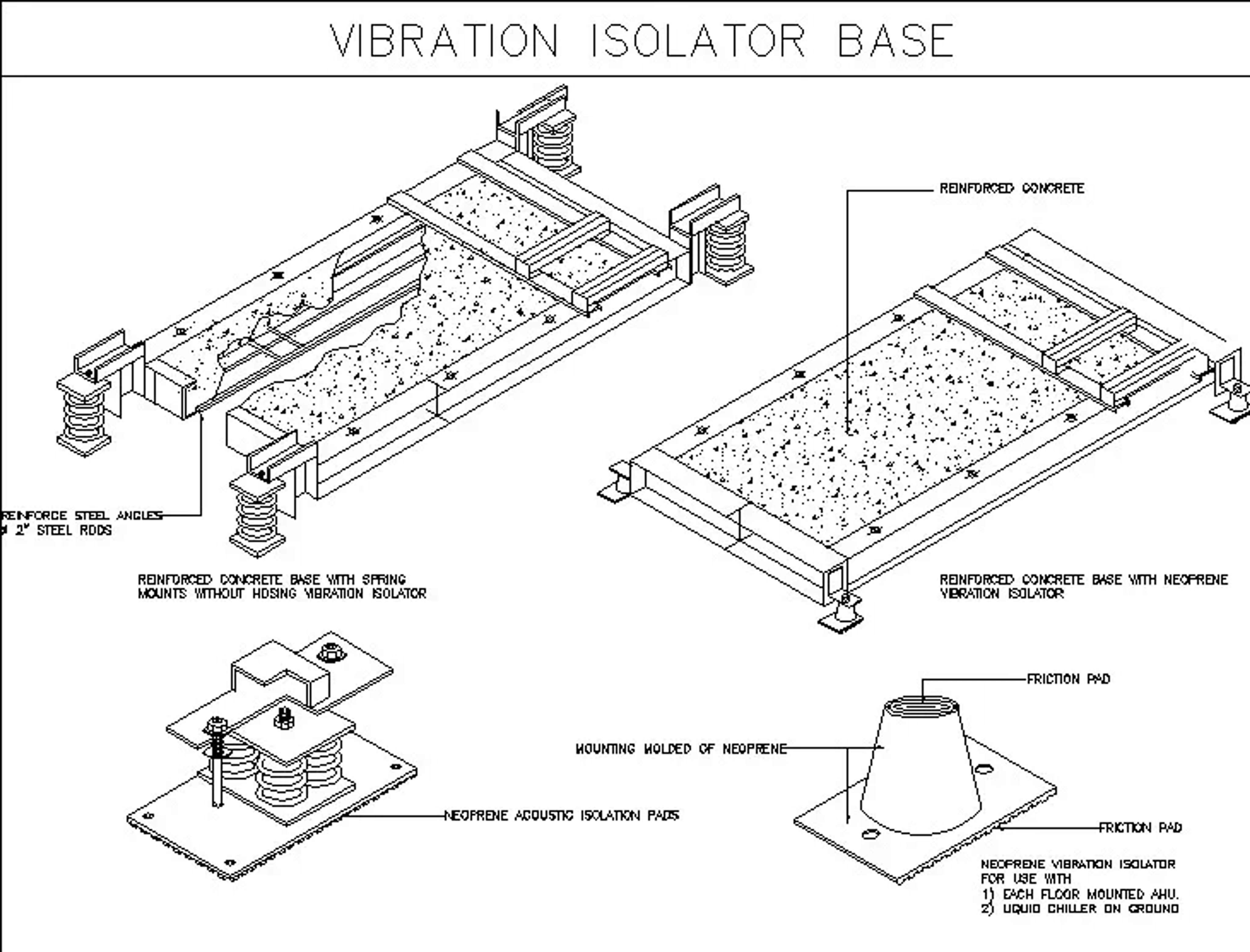
Vibration-Isolation Components can be precision-manufactured in custom dimensions, wall thicknesses, cross-sections, and durometers to match your exact application specifications. Below are typical engineering cross-section drawings and technical parameters for reference.
Typical Dimension Drawings & Blueprint Cross-Sections
Technical Specifications
| Parameter | Specification / Options |
|---|---|
| Dynamic Stiffness Ratio | kd/ks < 1.35 for superior acoustic decoupling and structural noise damping |
| Rated Load Capacity | 10 kg up to 8,500 kg per mounting point |
| Natural Resonant Frequency | Tuned down to 6 Hz - 12 Hz for low-speed machinery harmonic isolation |
| Rubber Compound | High-damping Natural Rubber (NR), Polychloroprene (Neoprene), Nitrile (NBR) |
| Metal Hardware | Galvanized Grade 8.8 high-tensile steel, stainless steel SS304/SS316 |
| Bond Integrity | Exceeds ASTM D429 Method B > 9.0 N/mm peel strength |
| Operating Temp | -40°C to +120°C |
| Fatigue Life | Tested to > 3,000,000 dynamic cycles under cyclic load |
Material Selection & Properties
We offer specialized compound formulations tailored to chemical media, thermal extremes, static deflection, and dynamic fatigue requirements. The best material depends on your operating environment and required service life.
| Material / Polymer | Key Engineering Properties | Recommended Applications & Considerations |
|---|---|---|
| Natural Rubber + Carbon Steel | Maximum dynamic fatigue life & vibration decoupling | Suspension bushes, engine mounts, heavy cab isolators |
| Nitrile (NBR) + Mild Steel / Brass | Oil & grease immersion resistance with vulcanized bond | Rotary shaft seal inserts, fluid poppets, drive couplings |
| EPDM + Stainless Steel 304/316 | Exceptional weather, ozone, UV & polar solvent resistance | Solar mounting brackets, outdoor dampers, marine mounts |
| Viton® (FKM) + Stainless / Titanium | Resists aggressive fuels, hot oils, acids up to +220°C | Aerospace fuel valve seals, chemical pump impellers |
| Polyurethane (PU) + Steel Sleeves | Extreme load bearing & cut/tear abrasion resistance | Heavy forklift drive wheels, guide rollers, buffer plates |
Important Engineering Guidance
The above properties are general characteristics. Final material selection depends on your specific application, operating conditions, load requirements, media compatibility, and service temperature. Please contact our polymer engineering team for tailored compounding guidance on Vibration-Isolation Components.
Production Batch Gallery
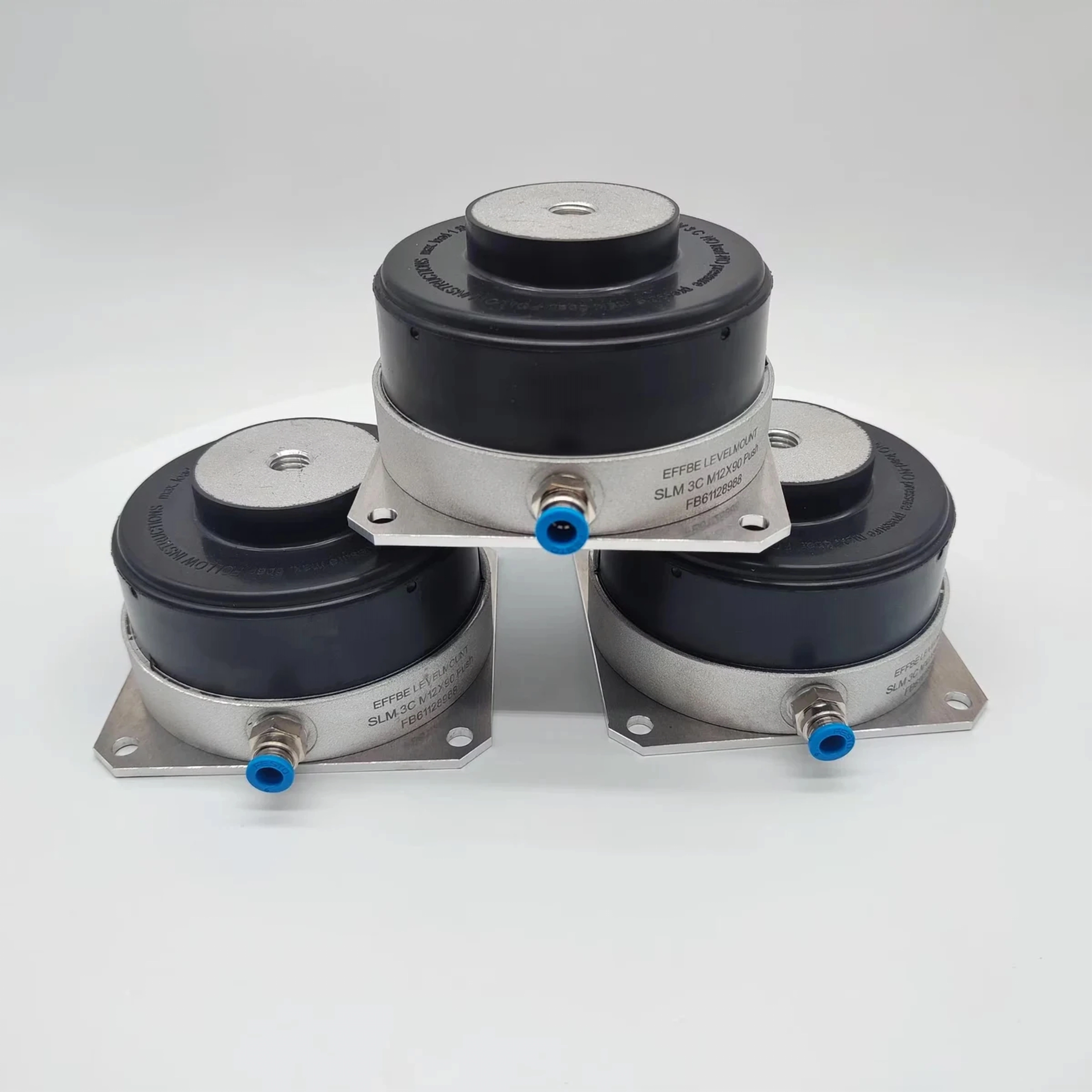
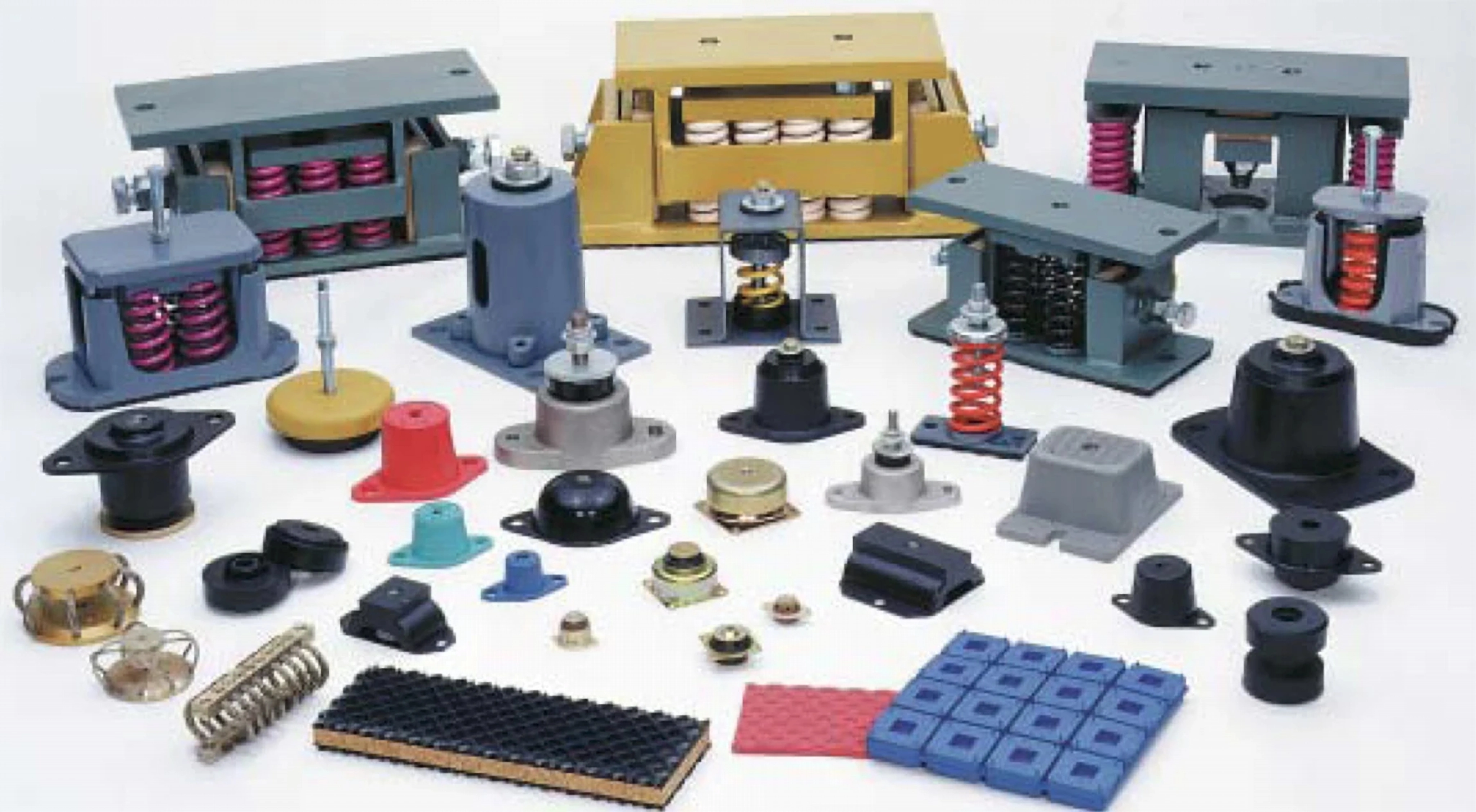
Actual production batch examples of Vibration-Isolation Components manufactured for OEM, automotive, railway, and heavy engineering clients. We manufacture standard catalogue sizes as well as bespoke custom geometries from your CAD models or physical samples.
Request an Engineering Quote
Share your required dimensions, polymer grade, or 2D/3D drawings for immediate engineering review and quote.